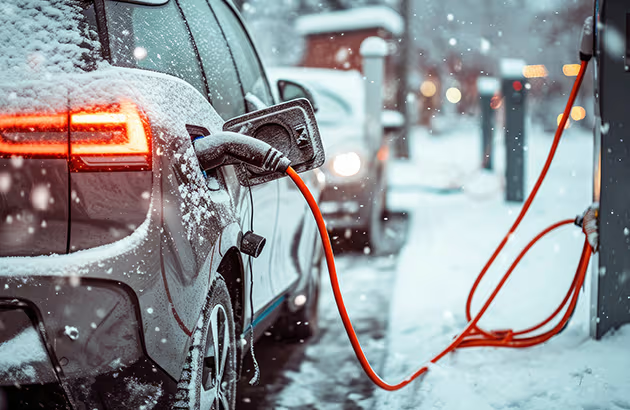
Electric vehicles (EVs) are no longer a futuristic dream — they are already transforming the way we drive, save on fuel, and care for the environment. One of the most common questions potential EV owners ask is: “How long does an electric car battery last?”
At BBG Motors UK LTD, where we specialise in the sale of new and used cars and light motor vehicles, we know that understanding EV battery life is key to making a confident purchase decision. This blog will cover everything you need to know about electric car batteries — from lifespan to maintenance, replacement costs, and future technology.
1. Understanding Electric Car Batteries
Electric cars use lithium-ion batteries, similar to those found in smartphones and laptops, but engineered on a much larger scale. These batteries are made up of many individual cells that store and release energy to power the vehicle’s motor. Unlike petrol or diesel engines, there’s no combustion — just stored electrical energy driving the wheels.
Why Battery Health Matters
Your EV battery’s condition determines:
- Driving range (how far you can travel on a charge)
- Performance (acceleration and smoothness)
- Resale value (battery health impacts market price)
- Running costs (replacing a battery can be expensive)
2. Average Lifespan of an Electric Car Battery
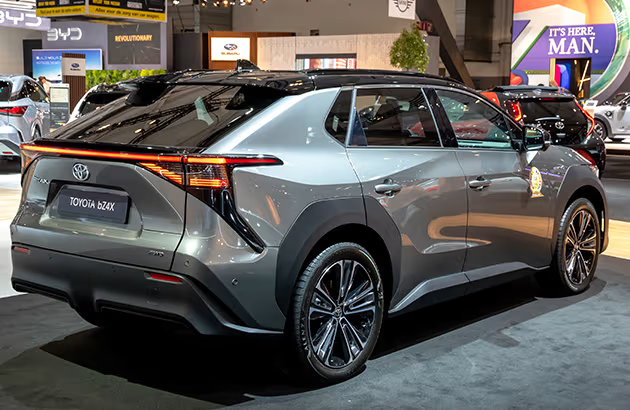
Most modern EV batteries last between 8 to 15 years under normal usage before needing replacement. In terms of mileage, that’s usually 100,000 to 200,000 miles.
Manufacturers design EV batteries to handle thousands of charge cycles. For example:
- One charge cycle = charging from 0% to 100% (or equivalent partial charges adding up to 100%).
- Most EV owners charge their vehicles daily, but not always to 100%, which helps extend lifespan.
3. What Do Manufacturers Promise?
Many car manufacturers offer battery warranties of 8 years or 100,000 miles, whichever comes first. Some even go beyond:
- 8–10 years of coverage
- Replacement if capacity drops below 70% during warranty period
This means you can drive with confidence, knowing your battery is protected for years.
4. Factors Affecting EV Battery Life
An electric car battery’s lifespan isn’t set in stone. Several factors influence how long it lasts:
4.1. Charging Habits
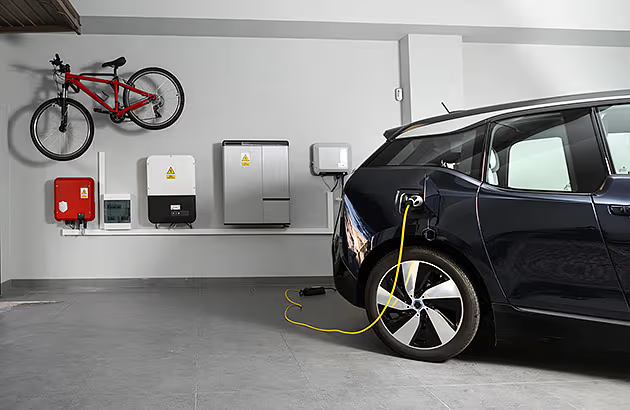
- Frequent fast charging (rapid DC charging) can heat the battery and shorten lifespan.
- Slow charging (Level 2 or home charging) is gentler on the battery.
4.2. Depth of Discharge
- Draining your battery to 0% repeatedly can accelerate wear.
- Keeping charge between 20%–80% is ideal for long-term health.
4.3. Climate
- Extreme heat can degrade batteries faster.
- Extreme cold can temporarily reduce performance (but not necessarily cause permanent damage).
4.4. Driving Style
- Aggressive acceleration and high-speed driving can put more load on the battery.
- Smooth driving preserves range and reduces stress.
4.5. Vehicle Age & Usage
- Older EVs with early battery technology may degrade faster.
- High-mileage vehicles may experience gradual capacity loss.
5. Signs Your EV Battery is Degrading
Over time, all batteries lose some capacity — it’s natural. Signs include:
- Reduced driving range compared to when new
- Longer charging times
- More frequent charging required
- Noticeable drop in performance
If you notice these changes within your warranty period, you may be eligible for a free replacement.
6. Can an EV Battery Be Repaired?
In some cases, yes — but it depends on the damage. If a single battery module fails, manufacturers can sometimes replace only that section rather than the entire pack. However, severe degradation usually means full battery replacement is the only solution.
7. Battery Replacement Costs in the UK
One of the biggest concerns about EV ownership is battery replacement cost. On average:
- £4,000 – £10,000 for most electric cars
- High-performance EVs can exceed £15,000
However, these costs are gradually falling as technology improves and production scales up.
8. How to Extend the Life of Your Electric Car Battery
You can significantly prolong battery life with a few smart habits:
8.1. Avoid Frequent Rapid Charging
Use fast chargers only when necessary (e.g., long trips).
8.2. Maintain Moderate Charge Levels
Try to keep your battery between 20% and 80% for everyday use.
8.3. Park in Shade or a Garage
Protect your EV from extreme temperatures.
8.4. Drive Smoothly
Avoid sudden acceleration or heavy braking.
8.5. Use Scheduled Charging
Charge during cooler times of the day, especially in hot weather.
9. How Battery Capacity Loss Works
EV batteries don’t just “die” suddenly; they gradually lose capacity. Here’s a rough example:
- Year 1–3: 1–2% capacity loss per year
- Year 4–6: Slightly faster loss (2–3% per year)
- Year 7+: Degradation rate depends on care and usage
Most drivers won’t notice major changes for the first 5–7 years.
10. Recycling and Sustainability of EV Batteries
Battery recycling is becoming a big focus in the automotive industry. Even after a battery is no longer suitable for driving, it can:
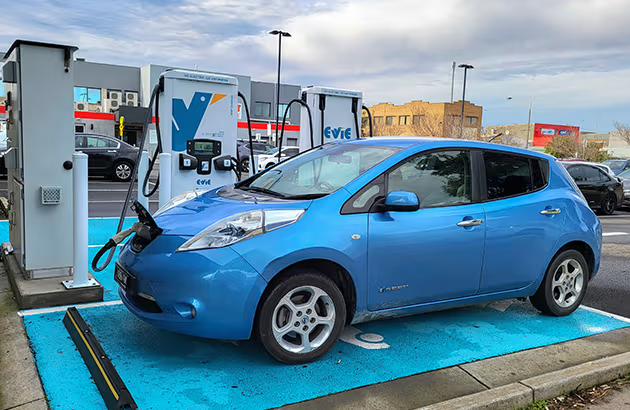
- Be repurposed for energy storage systems
- Be recycled to recover valuable materials like lithium, cobalt, and nickel
This helps reduce waste and environmental impact.
11. Future of Electric Car Batteries
Technology is evolving quickly:
- Solid-state batteries promise higher capacity and longer life
- Faster charging without excess heat
- Lower replacement costs as manufacturing improves
This means future EV owners can expect even more reliable and long-lasting batteries.
12. Why Choose BBG Motors UK LTD for Your Next EV?
At BBG Motors UK LTD, we provide expert guidance when choosing your electric car. Whether you’re looking for a brand-new EV with the latest technology or a reliable used electric car, our team ensures you understand battery health, warranty, and expected lifespan before purchase.
We:
- Inspect every EV’s battery health before sale
- Provide honest advice on charging habits
- Offer vehicles with manufacturer-backed battery warranties
13. Frequently Asked Questions
Q1: How long will my EV battery really last?
With proper care, you can expect 8–15 years before needing replacement.
Q2: Do I need to replace my EV battery often?
No. Most owners never replace the battery during the car’s lifetime.
Q3: How much range loss is normal?
Losing 5–10% of range in the first 5 years is normal.
Q4: Is battery replacement worth it?
Yes, if the car is otherwise in good condition — it can extend the vehicle’s life significantly.
Q5: Can cold weather permanently damage my battery?
No, but it may temporarily reduce range until temperatures rise.
14. Final Thoughts
Electric car batteries are built to last, with most offering a decade or more of reliable service. With careful charging habits, smart driving, and regular maintenance, you can extend your EV battery’s lifespan and enjoy the benefits of clean, efficient motoring for years to come.
At BBG Motors UK LTD, we’re here to guide you through every step of your electric vehicle journey — from understanding battery health to finding the perfect EV for your lifestyle.